Introduction
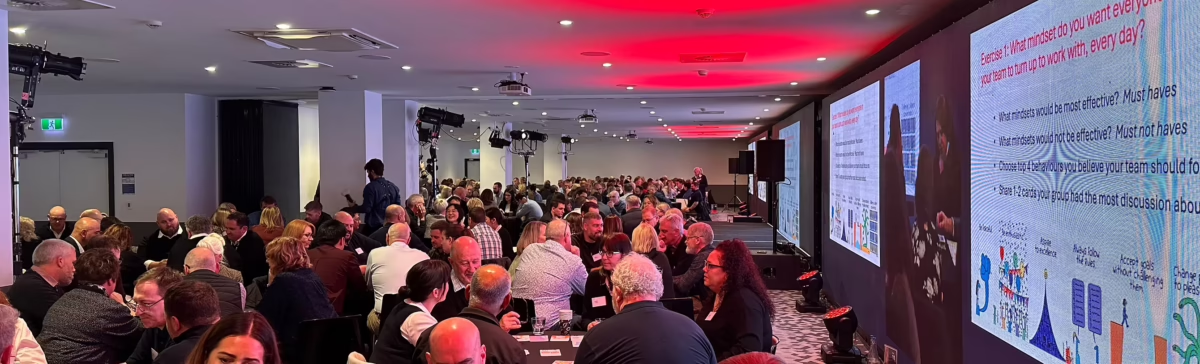
In a recent workshop, I asked a group of leaders to assess themselves against a set of situations.
Not competencies.
Not capabilities.
Tensions.
Questions like:
- Do you build close relationships — or keep professional distance?
- Do you take the lead — or step back?
- Do you trust your people — or maintain oversight?
- Do you seek consensus — or cut through and decide?
At first, people tried to answer them “correctly.”
Most leadership advice assumes there’s a right way to lead.
Then it clicked.
There is no correct answer.
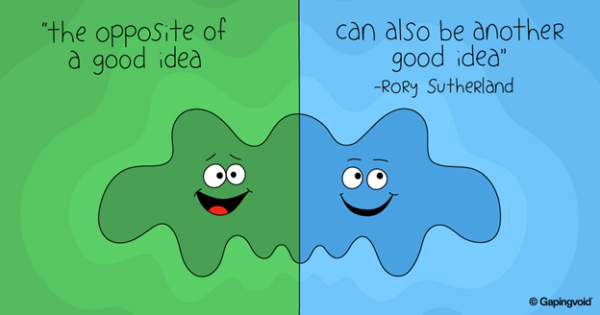
Because both sides are true.
That's the reality of leadership
It’s not about finding the “right” way.
It’s about navigating competing truths.
And if you’re honest, most of us have a preference.
We lean one way or the other.
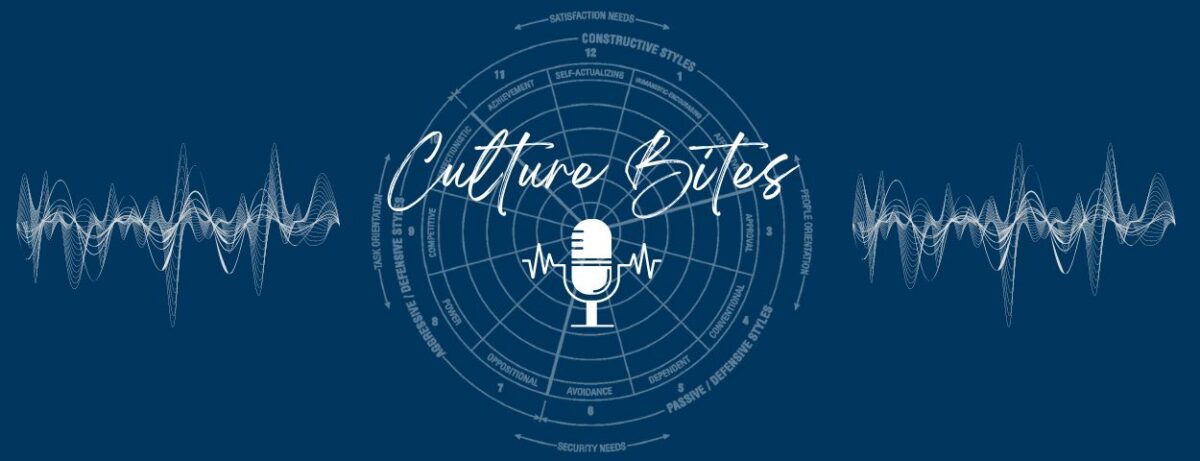
Then we layered in the LSI
And this is where it got interesting.
Leaders with strong Constructive styles were able to move across both sides of the paradox. They didn’t get stuck.
They could:
- Be close — and still hold standards
- Step back — and still provide direction
- Build consensus — and still make decisions
Not perfectly. But intentionally.
Defensive patterns told a different story
Where leaders were more Defensive in their thinking, they tended to anchor on one side:
- Seeking consensus, but avoiding decisions
- Setting standards, but losing people
- Trusting, but without follow-through
- Controlling, instead of enabling
Same paradox.
Less range.
That's the insight
It’s not the situation that limits leaders.
It’s the thinking they bring to it.
So here's a question worth sitting with
Where do you naturally lean?
And more importantly…
Where do you struggle to go?
Because that’s not a capability gap.
👉 It’s a thinking pattern.
Food for thought
The purpose of leadership is simple:
To create the environment where others can be at their best.
The paradox?
To do that well…
you need to hold tension, not resolve it.
What’s next
Over the next 11 posts, I’ll break down each paradox — and show why some leaders can navigate both sides… while others get stuck.